
Early Orthodontic Treatment In Bozeman, MT
Healthy smiles start with the right timing.
The American Association of Orthodontists recommends that every child have their first orthodontic evaluation around age 7, but that doesn't mean every child needs braces.
At Headwaters Orthodontics, our goal is simply to understand how your child's smile is growing and determine whether early guidance could make a difference.
Many children only need observation, while others may benefit from early orthodontic treatment.
As a Board Certified children's orthodontist, Dr. Vivian Snider believes every child deserves personalized care, honest guidance, and a treatment plan tailored to their unique needs.
Open Hours
- MON
- 8 AM - 5 PM
- TUE
- 8 AM - 5 PM
- WED
- 8 AM - 5 PM
- THU
- 8 AM - 5 PM
- FRI
- By Request
When should my child see an orthodontist?
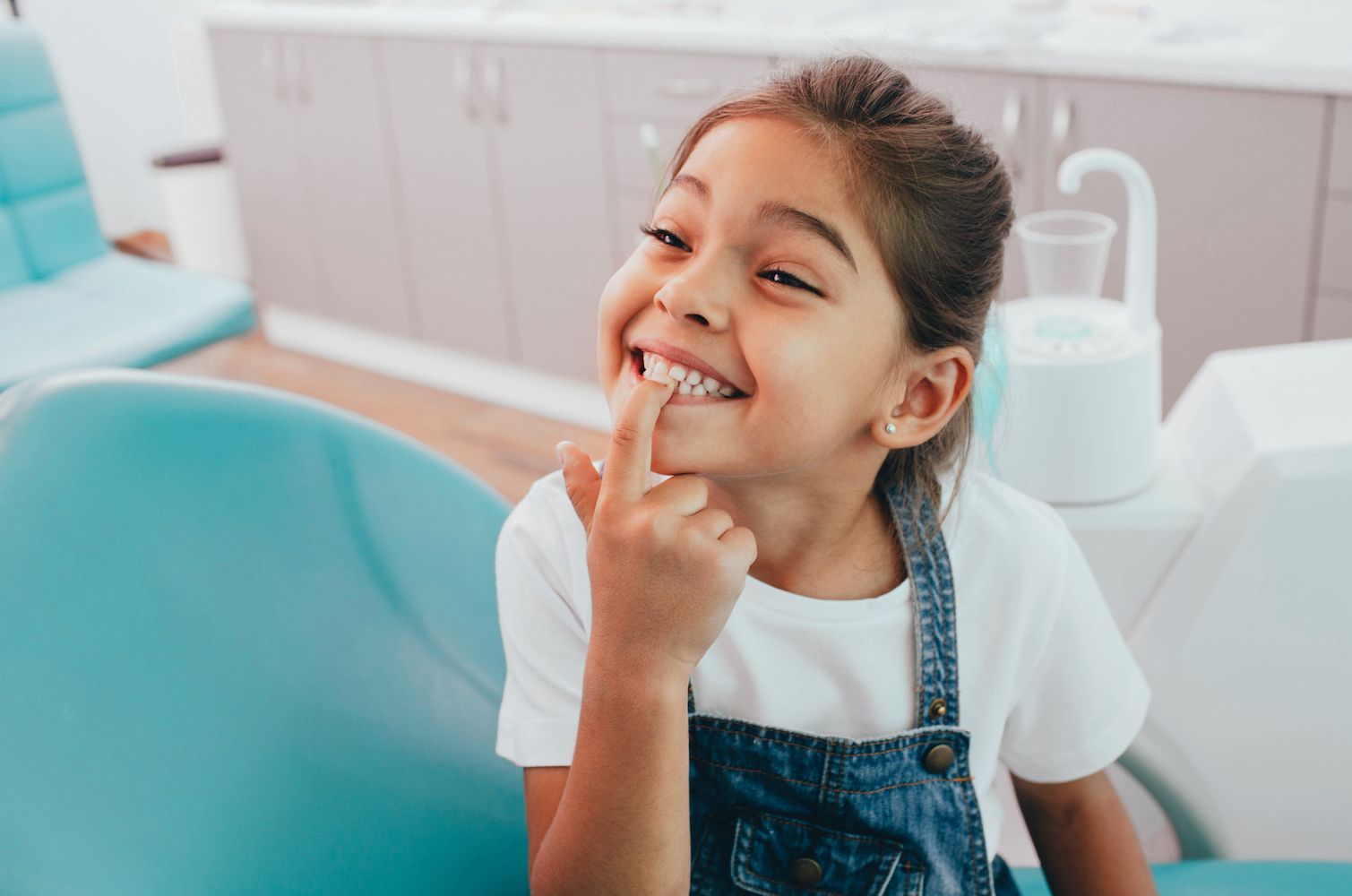
Around age 7, children typically have a mix of baby teeth and permanent teeth, making it an ideal time to evaluate how their smile is developing.
During this visit, Dr. Snider carefully evaluates your child's teeth, bite, and jaw growth to identify developing concerns before they become more difficult to correct.
An early orthodontic evaluation helps us determine:
- Is your child's jaw developing properly?
- Is there enough room for permanent teeth?
- Is their bite developing normally?
- Is treatment needed now, or later?
Our goal is to give parents peace of mind through clear guidance and personalized recommendations every step of the way.
Did you know…
Baby teeth tell us more than you might think. An orthodontic evaluation can reveal how your child's smile is developing before all of their permanent teeth come in.
What happens during my child’s first orthodontic visit?
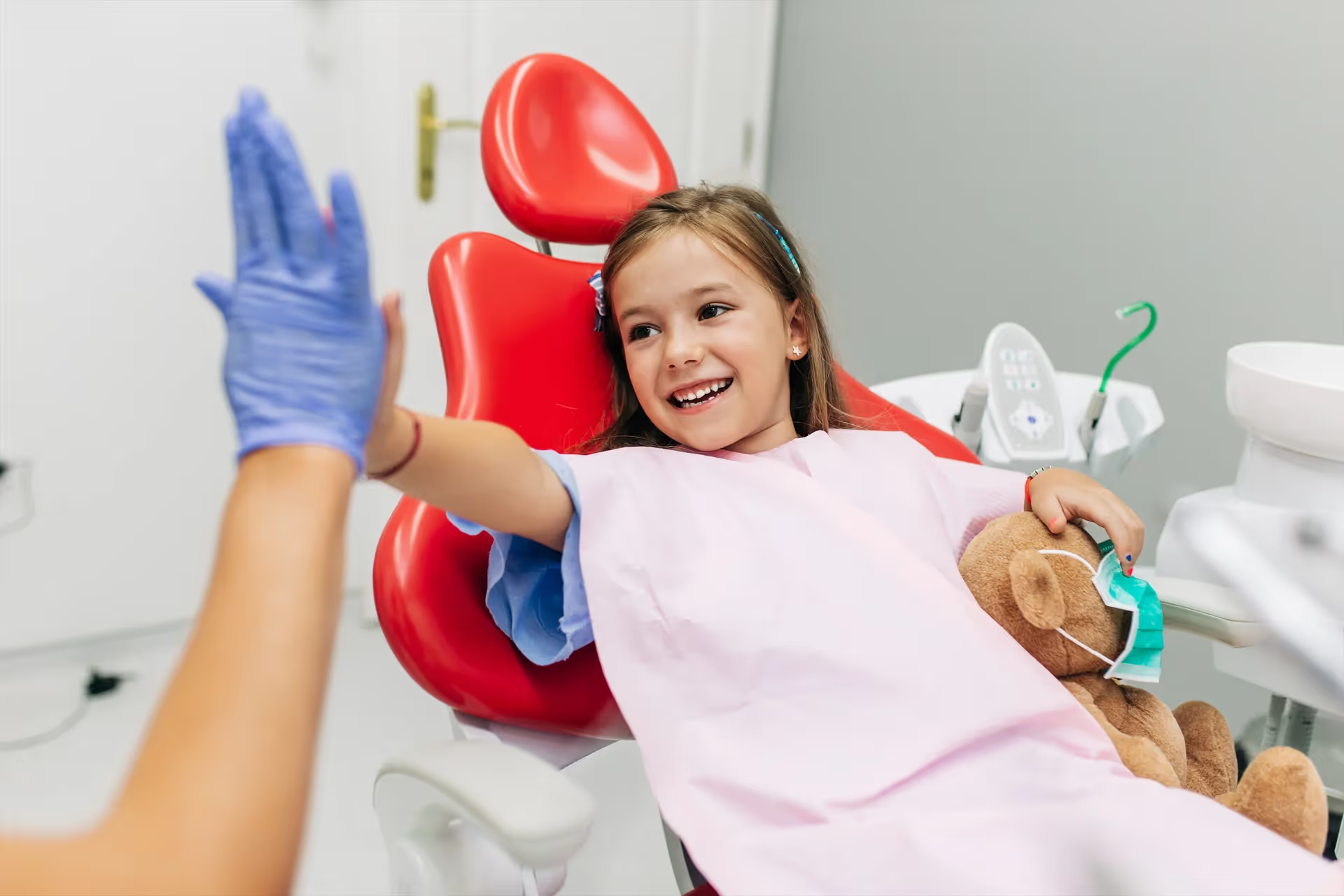
We know visiting a children's orthodontist for the first time is a big milestone.
That's why we've created a warm, welcoming office where kids feel comfortable, parents feel informed, and every visit is something to smile about.
During your child's complimentary evaluation, we'll:
- Take comfortable digital images and a goop-free 3D scan
- Perform a comprehensive orthodontic evaluation
- Assess jaw growth and bite development
- Answer your questions and explain what we see
- Determine whether treatment is recommended or observation is the better option
You'll never feel pressured into treatment. Our job is simply to help you understand your child's smile and recommend what's best for their long-term health.

Treatment at the Right Time
One of the most common things parents hear during their child’s first visit is:
“Everything looks great. Let’s continue watching their growth.”
Many children simply benefit from observation while their permanent teeth and jaws continue developing.
Honest Recommendations
Complimentary Evaluations
Ongoing Growth Monitoring
Custom Palatal Expanders for Growing Smiles
When a child needs more room for permanent teeth or guidance for healthy jaw development, a palatal expander can gently widen the upper jaw while they're still growing. This can help improve certain bite concerns and create space for developing teeth.
At Headwaters Orthodontics, every expander is digitally designed and custom 3D-printed for your child's unique smile, providing a precise, comfortable fit without messy impressions.
If your child needs an expander, we'll walk you through every step of the process, answer your questions, and ensure you and your child feel confident throughout treatment.
Early Orthodontic Treatment
Board-Certified Pediatric Orthodontic Care
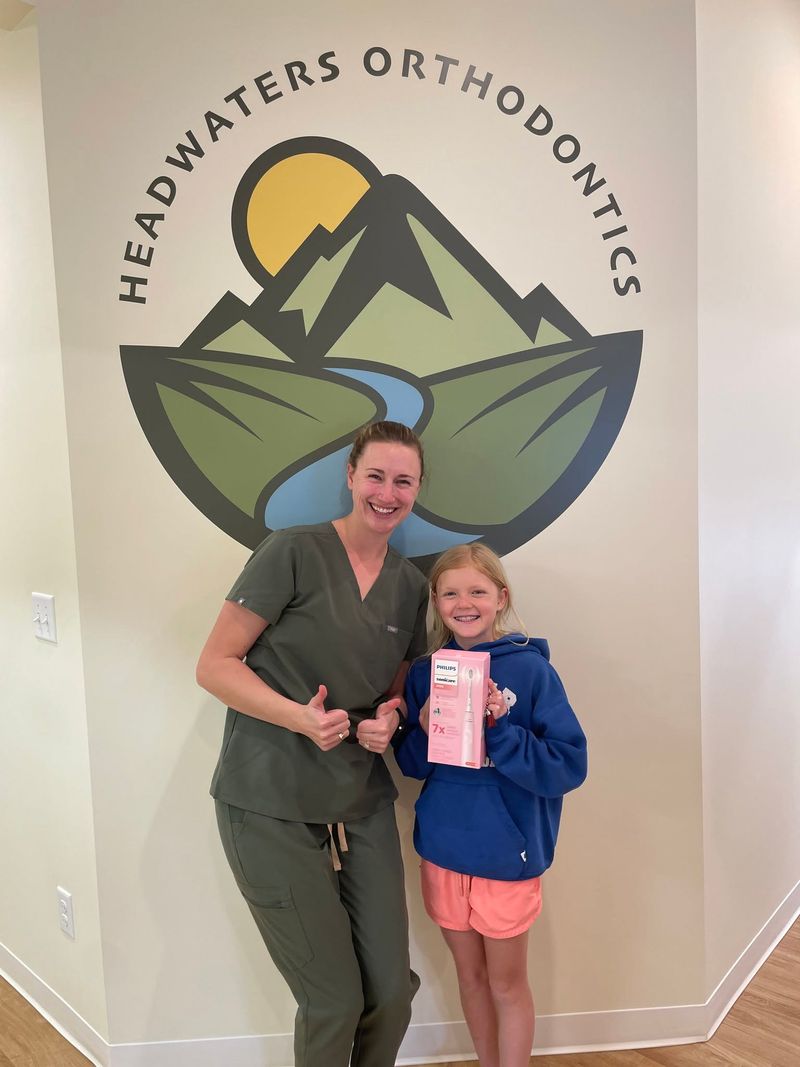
Board-certified pediatric orthodontist Dr. Vivian Snider combines advanced orthodontic expertise with a warm, energetic approach.
She takes the time to listen to your concerns, carefully evaluate your child's smile, and explain every recommendation in a way that's easy to understand.
Whether treatment is needed now or years from now, you'll always receive honest guidance tailored to your child's unique needs.
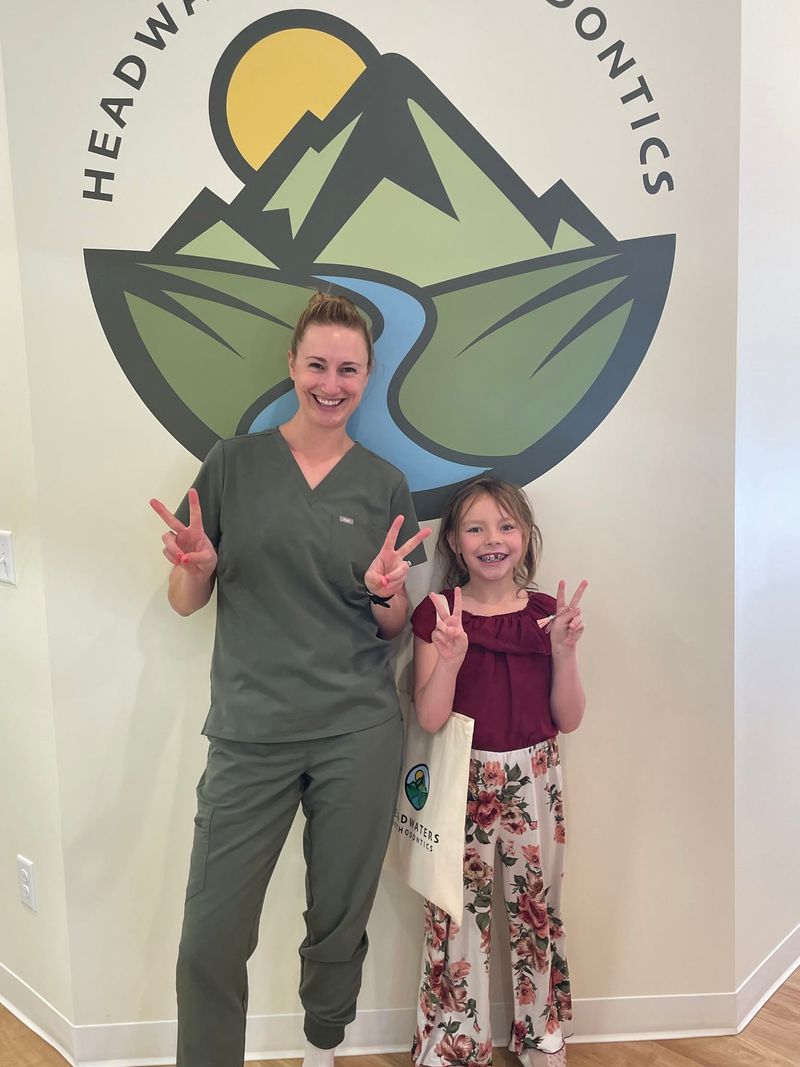
From our bright, welcoming office to our caring team, we've created an experience where children can relax, have fun, and even look forward to their visits.
You can feel confident knowing each recommendation is based on what's best for your child's smile today and as they continue to grow.
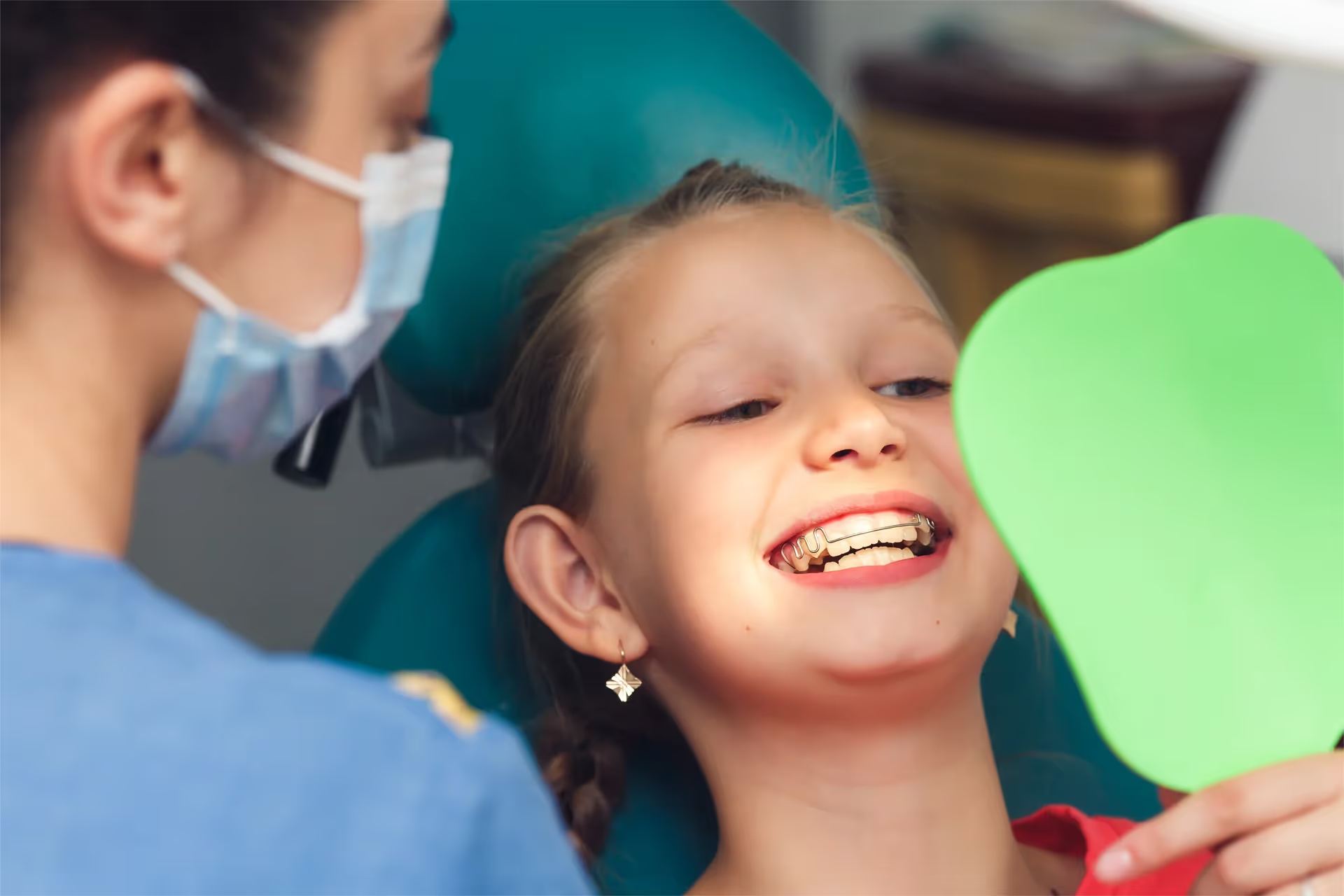
Signs Your Child May Benefit From Early Orthodontic Treatment
Crowded or Crooked Teeth
If your child’s permanent teeth appear crowded, overlap, or do not have enough room to erupt properly, early orthodontic treatment may help create needed space. Addressing crowding during growth can sometimes guide permanent teeth into healthier positions and reduce future complications.
Bite Problems
Crossbites, underbites, overbites, open bites, and teeth that do not come together comfortably can affect chewing, speech, tooth wear, and jaw development. Identifying these concerns early allows Dr. Snider to determine whether interceptive treatment could help guide healthier growth.
Jaw Growth Concerns
Jaw shifting, prolonged thumb sucking, tongue thrusting, mouth breathing, or the early loss of baby teeth can influence how the jaws and bite develop. An early evaluation helps determine whether these concerns require treatment or should simply be monitored over time.
The Early Orthodontic Treatment Process
Complimentary Evaluation

Complimentary Evaluation
Dr. Snider will evaluate your child’s teeth, bite, jaw growth, and overall oral development using comfortable digital imaging and a comprehensive orthodontic examination.
At the end of the visit, we’ll explain whether your child would benefit from early treatment or whether observation is the better option.
Personalized Treatment Plan

Personalized Treatment Plan
If treatment is recommended, Dr. Snider will create a customized Phase I orthodontic treatment plan based on your child’s specific needs.
Treatment may include:
- Custom 3D-printed palatal expanders
- Space maintainers
- Partial braces
- Habit appliances
- Bite correction appliances
- Growth modification appliances
If treatment is not needed yet, we’ll create an observation plan and continue monitoring your child’s development.
Growth Monitoring and Continued Care

Growth Monitoring and Continued Care
Throughout treatment or observation, Dr. Snider will continue tracking your child’s teeth, bite, and jaw development
Phase I treatment often lasts around 9 to 18 months, although timing varies based on the child and treatment goals.
Once all permanent teeth have erupted, we’ll determine whether a second phase of treatment with braces or clear aligners would provide additional benefit.
Frequently asked questions
Let’s Get Started
Bozeman choose Headwaters Orthodontics.